
How to Analyse Your Leasehold Service Charge Accounts and Budget
A practical step-by-step guide to understanding where your service charge money is going, spotting unusual costs and asking the right questions
Your service charge statement arrives.
You look at the total.
£3,850.
You look at last year’s figure.
£2,900.
Then you look at the accounts.
And you’re presented with a collection of headings like:
Management Fees
Repairs & Maintenance
Professional Fees
Insurance
Cleaning
Reserve Fund
Electricity
Miscellaneous
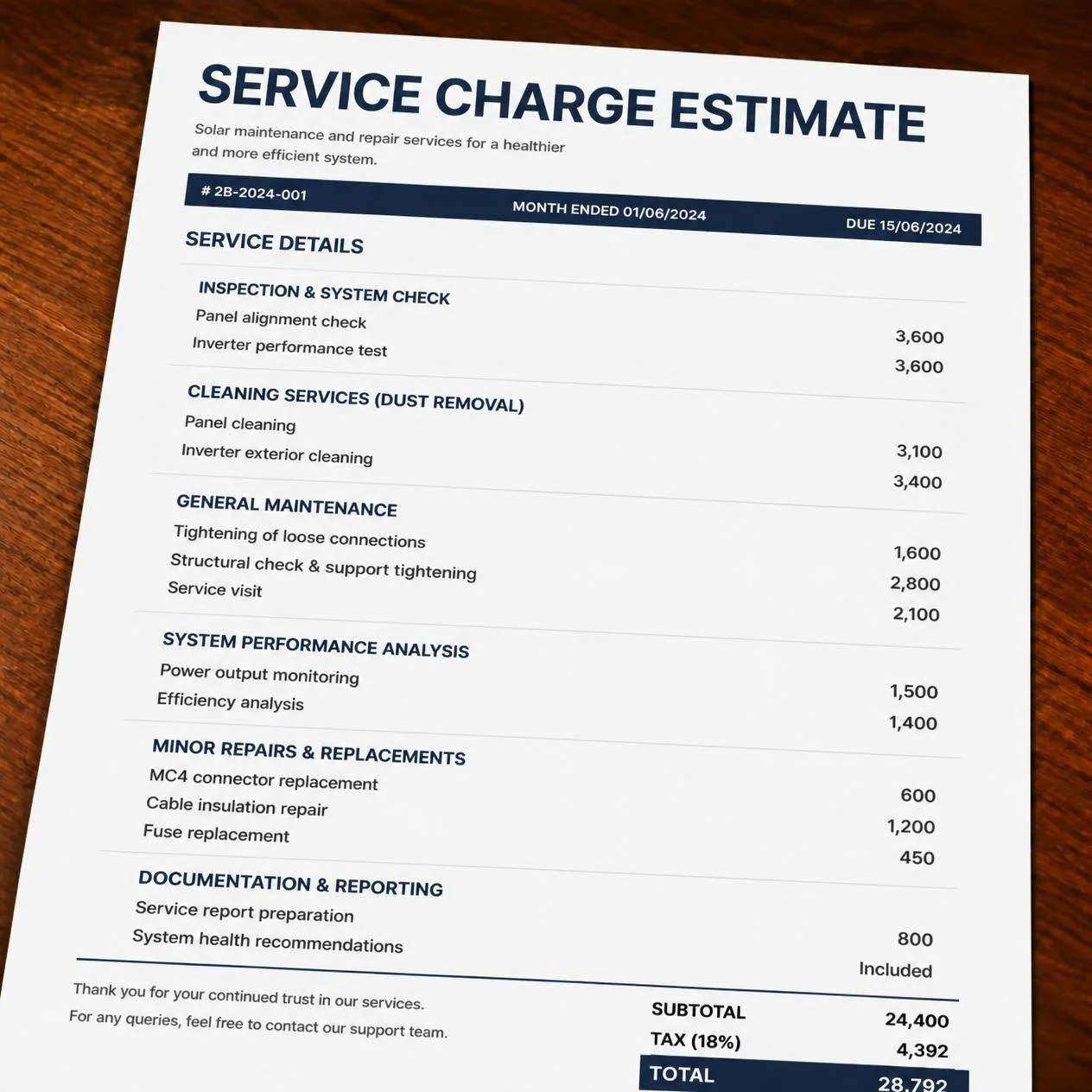
You stare at it for five minutes trying to make sense of it.
But if you’re paying thousands of pounds every year towards the management of your building, understanding the accounts is worth your time.
You don’t need to be an accountant.
You need to know what to look for, what questions to ask and which numbers deserve a closer look.
This guide explains how to analyse your leasehold service charge accounts and budget step by step.
First: Understand What You’re Looking At
There are usually two important financial documents to distinguish between:
The service charge budget
This is generally a forecast.
It sets out what the landlord or management company expects to spend during the upcoming accounting period.
The service charge accounts
These show the actual expenditure for a completed accounting period.
This distinction is extremely important.
You might have been told:
“Your annual service charge budget is £3,500.”
But the actual expenditure could eventually be £3,900.
Or it could be £3,100.
The budget is an estimate.
The accounts show what actually happened.
Step 1: Compare This Year With Previous Years
Don’t look at your latest accounts in isolation.
Get at least three years of information if you can.
Create a simple table.
Now the interesting questions become obvious.
Insurance has increased significantly.
Repairs have more than doubled.
Professional fees have increased dramatically.
Those aren’t automatically signs of a problem.
But they’re areas worth understanding.

Step 2: Look at the Overall Increase
Start with the simplest question:
How much has the total service charge increased?
For example:
2025: £2,800 per flat
2026: £3,600 per flat
That’s an increase of approximately 29%.
That’s significant.
But don’t stop there.
The next question is:
Why?
A large increase might be caused by:
Insurance
Major works
Energy costs
Fire safety works
Lift repairs
Increased management fees
Professional fees
Building safety requirements
Reserve fund contributions
The increase itself isn’t the diagnosis.
It’s the starting point for the investigation.
Step 3: Find the Biggest Costs
Look at your accounts and identify the five largest expenditure categories.
For many blocks, these might include:
Insurance
Management
Repairs and maintenance
Cleaning
Major works or reserve fund contributions
These deserve particular attention because even a small percentage increase can have a large effect on the total bill.
For example:
A 10% increase in a £20,000 cost is only £2,000.
A 10% increase in a £200,000 cost is £20,000.
That’s why percentage increases alone don’t tell the whole story.

Step 4: Analyse the Managing Agent’s Fees
This is one of the most important areas to examine.
Find the management fee.
Then ask:
What exactly is included?
For example:
Routine management
Inspections
Service charge administration
Contractor management
Meetings
Accounts
Company secretarial work
Leaseholder correspondence
Then look for additional management charges elsewhere in the accounts.
You might find:
Management fee — £12,000
but also:
Major works management — £8,000
Additional meetings — £1,200
Contractor administration — £2,000
Insurance administration — £1,000
Suddenly the apparent £12,000 management arrangement has cost considerably more.
This doesn’t automatically mean the charges are wrong.
But it demonstrates why looking only at the headline management fee can be misleading.
Step 5: Look Carefully at “Repairs and Maintenance”
This category can hide a huge amount of information.
A block might have:
Repairs and maintenance — £40,000
But what does that actually mean?
Break it down.
Look for:
Plumbing
Electrical work
Roof repairs
Door repairs
Lift repairs
Drainage
Communal lighting
Fire safety maintenance
Decorating
Grounds maintenance
General repairs
Is the building spending increasing amounts of money fixing the same problems?
If so, perhaps a more substantial solution needs to be considered.
Step 6: Investigate Professional Fees
Professional fees can sometimes be difficult to understand.
You might see:
Professional fees — £18,000
That’s not enough information.
Ask:
Who was instructed?
Why were they instructed?
What work did they carry out?
It could relate to:
Surveyors
Solicitors
Accountants
Fire safety consultants
Structural engineers
Project managers
Building consultants
Health and safety professionals
A significant professional fee may be entirely justified.
But you should be able to understand what it relates to.
Step 7: Analyse Insurance
Buildings insurance is often one of the largest costs for a block.
Compare:
Previous premium
versus
Current premium
For example:
2024 — £18,000
2025 — £21,000
2026 — £29,000
That’s a substantial increase.
Don’t immediately conclude that the insurance is excessive.
The insurance market can change dramatically and premiums can be affected by the building’s construction, claims history, location, height, fire safety characteristics and other risk factors.
Instead, ask:
What is the current premium?
What period does it cover?
What does the policy cover?
Have there been significant changes?
Are there insurance-related administration charges?
Are commissions or other remuneration arrangements disclosed where relevant?
Insurance deserves scrutiny because a large proportion of your service charge may be going towards it.

Step 8: Check Cleaning and Grounds Maintenance
These are often recurring contracts.
That makes them easy to overlook.
But recurring expenditure adds up.
Suppose cleaning costs:
£1,500 per month
That’s:
£18,000 per year.
Now ask:
How often is the building cleaned?
What areas are included?
Is there a contract?
Has the price increased?
Is the service actually being delivered?
Has the contract been reviewed or tendered?
The same applies to gardening and grounds maintenance.
A recurring £500 monthly cost becomes £6,000 per year.
Step 9: Look at Electricity and Communal Utilities
Check:
Communal electricity
Water
Heating
Gas
Other utilities
Compare them with previous years.
If electricity has increased dramatically, there may be a straightforward explanation.
But occasionally there can be:
Incorrect billing
Estimated readings
Meter issues
Contract changes
Unusually high consumption
You don’t need to assume something is wrong.
Just ask:
“Why has this changed?”

Step 10: Understand the Reserve Fund
You may see a line such as:
Reserve fund contribution - £25,000
This can sometimes cause confusion.
A reserve or sinking fund is generally designed to build up money for future expenditure.
For example:
Roof replacement
External decoration
Lift replacement
Major mechanical systems
Windows
Major communal works
The important question is not simply:
“Why am I paying into a reserve fund?”
It is:
“What is the reserve fund intended to cover, and is the contribution appropriate?”
Look at:
Current reserve balance
Planned future expenditure
Previous contributions
Major works expected
Whether the lease permits the relevant reserve fund arrangement
A healthy reserve fund can sometimes prevent owners being hit with enormous demands when major works eventually arise.
Step 11: Compare the Budget With the Actual Accounts
This is one of the most useful exercises you can perform.
Why did repairs cost £17,000 more than budgeted?
And:
Why were professional fees £9,000 higher?
There may be perfectly good explanations.
But a budget-to-actual comparison tells you where to ask the questions.
Step 12: Don’t Ignore Underspending
It’s easy to focus on costs that went over budget.
But underspending can also be informative.
Suppose:
Budget: £30,000
Actual: £12,000
Why?
Perhaps the work was delayed.
Perhaps it wasn’t required.
Perhaps it was cancelled.
Perhaps it will appear in next year’s accounts.
Understanding significant underspending can therefore be just as useful as understanding overspending.
Step 13: Check the Service Charge Apportionment
Once you’ve understood the overall expenditure, consider how it is divided between flats.
Your lease will usually contain provisions dealing with service charge contributions.
Don’t assume every flat necessarily pays the same percentage.
Depending on the lease and building, contributions may vary.
For example:
One flat may pay 5%
Another may pay 4%
Some costs may be apportioned differently
Certain costs may only apply to particular flats
If the numbers don’t appear to make sense, check the lease.
The accounts tell you what has been spent. The lease helps determine what can be recovered and how it should be apportioned.
Step 14: Look for “Miscellaneous”
One of the least helpful headings in any set of accounts is:
Miscellaneous — £7,500
Miscellaneous can mean almost anything.
Ask what is included.
You should be able to understand the underlying expenditure.
The same applies to headings such as:
Administration
Sundry expenses
Other costs
General expenses
Additional services
These aren’t necessarily problematic.
But the less descriptive the category, the more useful it is to ask for clarification.
Step 15: Check Whether the Lease Allows the Cost
This is where things become more legally important.
Just because a cost appears in the accounts doesn’t automatically mean that it can be recovered from leaseholders.
The lease is fundamental.
Different leases can contain different provisions about:
Repairs
Insurance
Management fees
Professional fees
Reserve funds
Major works
Legal costs
Administration
So if you’re questioning a particular expenditure, don’t just ask:
“Is this reasonable?”
Also ask:
“Does the lease permit this cost to be recovered through the service charge?”
Those are separate questions.

Step 16: Look for Management Problems Behind the Numbers
Sometimes the biggest issue isn’t a particular invoice.
It’s a pattern.
For example:
Pattern 1
High repairs every year.
Potential question: Why aren’t recurring problems being resolved?
Pattern 2
Increasing management fees plus increasing additional charges.
Potential question: What is the actual cost of management?
Pattern 3
Repeated emergency repairs.
Potential question: Is preventative maintenance adequate?
Pattern 4
Large professional fees every year.
Potential question: Why does the building repeatedly require professional intervention?
Pattern 5
Constantly increasing service charges.
Potential question: Is the management strategy sustainable?
This is where financial analysis becomes more than accounting.
The numbers can tell you something about how your building is being managed.
A Simple Service Charge Health Check
If you want a quick first review, score your building against these questions.
Financial
Do you understand the largest five expenditure categories?
Have you compared at least three years?
Have you compared budget against actual?
Can you explain significant increases?
Can you explain significant underspending?
Management
Do you know what your managing agent charges?
Do you understand additional fees?
Are recurring repairs being identified?
Are contractor costs transparent?
Are professional fees explained?
Lease
Have you checked what the lease allows?
Do you understand the apportionment?
Are reserve fund contributions permitted?
Are major costs being recovered in accordance with the lease?
Building
Are there upcoming major works?
Is the reserve fund adequate?
Are maintenance problems recurring?
Are insurance costs understood?
If you can’t answer several of these questions, your service charge accounts deserve a closer look.
How Easy Leasehold Can Help
Understanding service charge accounts can be difficult when you’re looking at a block with years of expenditure, multiple contractors and complicated management arrangements.
At Easy Leasehold, we can help leaseholders, RMCs and RTM companies analyse the bigger picture.
This can include reviewing:
Service charge accounts
Annual budgets
Budget versus actual expenditure
Managing agent fees
Additional management charges
Contractor expenditure
Professional fees
Insurance costs
Major works expenditure
Reserve fund arrangements
Recurring expenditure
The aim isn’t to find something wrong for the sake of it.
It’s to answer the much more useful question:
“Is this building being managed and funded sensibly?”
Sometimes the answer is yes.
Sometimes there are obvious areas that need attention.
And sometimes the accounts reveal a wider management problem that needs addressing.
Easy Leasehold
Independent leasehold consultancy for leaseholders, RMCs and RTM companies.
Important note
This guide provides general information and is not legal, accounting or financial advice. Whether a particular service charge cost is recoverable, reasonable or properly apportioned depends on the lease, legislation and circumstances of the building. Where there is a significant dispute or potential tribunal or court proceedings, appropriate professional advice should be obtained.